
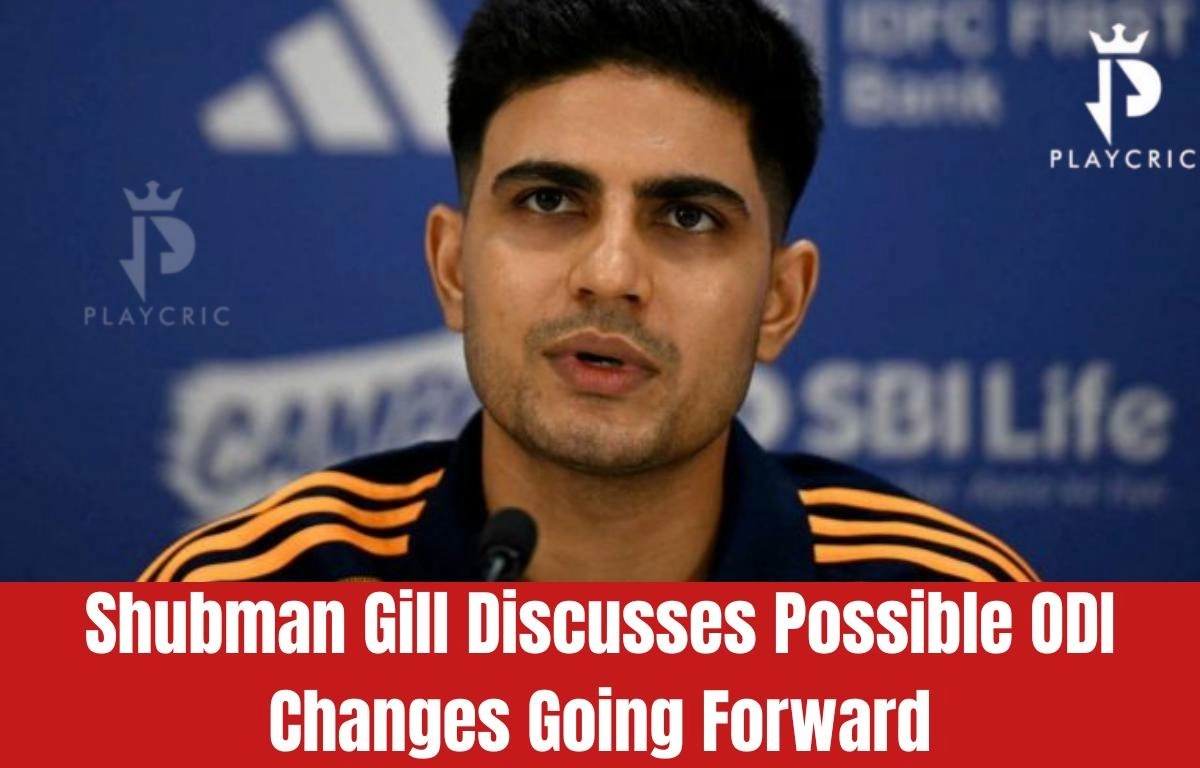
Shubman Gill ODI Changes: India’s Strategy After NZ Series
Shubman Gill ODI Changes Reflect India’s Post-Series Reality
India’s recent defeat brought Shubman Gill ODI changes into sharp focus, especially as long-term planning became central after disappointment. However, the loss against New Zealand exposed gaps, therefore forcing leadership discussions about balance, consistency, and future-ready combinations.
Meanwhile, Shubman Gill ODI changes were discussed openly, showing clarity rather than panic, which mattered deeply for team direction. As a result, India’s approach shifted from reaction to reflection, especially with the 2027 World Cup already influencing decisions. Playcric details about what possible changes Gill can work on.
Shubman Gill ODI Changes After Historic Series Loss
India entered the final ODI hoping momentum would carry forward; however, New Zealand delivered controlled aggression and disciplined partnerships. Daryl Mitchell regularly contributed greatly to his team’s innings, hence putting pressure on India’s bowlers in every possible way.
Despite Virat Kohli fighting it out, support was limited; this again brought to light the weak consistency of India’s middle-order line under intense direct chase situations. Thus, Shubman Gill ODI changes were right at the forefront in discussion sessions.
The defeat made a new history, as New Zealand held their first ODI series victory on Indian soil. Therefore, emotions ran high, yet Gill remained composed while addressing shortcomings without shifting blame toward individuals publicly. Meanwhile, leadership maturity surfaced clearly, suggesting evolution rather than instability within the Indian camp.
Shubman Gill ODI Changes And Leadership Responsibility
Shubman Gill acknowledged disappointment; he highlighted learning rather than frustration, which reflected his calm leadership approach. Moreover, he highlighted positives carefully, ensuring team morale remained intact despite a painful series outcome.
Importantly, Gill praised Virat Kohli’s form, therefore reinforcing experience as a stabilising force amid transition phases.
Additionally, Gill recognised Harshit Rana’s contributions, especially batting at number eight, which is demanding under scoreboard pressure. Consequently, younger players received encouragement, showing trust while maintaining accountability within evolving team structures.
Shubman Gill ODI Changes And World Cup Planning
The discussion around Shubman Gill ODI changes is clearly linked to preparation for the 2027 ODI World Cup cycle. Therefore, experimentation gained priority, particularly involving all-rounders who provide balance across batting and bowling departments.
Gill specifically mentioned Nitish Kumar Reddy, underlining the need for sustained opportunities rather than sporadic appearances.
Meanwhile, management seeks combinations that deliver flexibility, especially when adapting to different pitch conditions globally. As a result, players may experience role shifts, rotations, and targeted exposure during bilateral series going forward.
This forward-thinking strategy aligns with modern cricket demands, where adaptability often outweighs rigid role definitions.
Shubman Gill ODI Changes And Nitish Kumar Reddy’s Role
Nitish Kumar Reddy’s mention showed trust; however, it also highlighted expectations surrounding his development trajectory. Earlier, limited opportunities restricted rhythm, therefore affecting the overall impact during critical overs or match situations.
Now, clarity seems stronger, ensuring consistent roles that allow evaluation under pressure and varied match contexts. Furthermore, this approach reflects long-term investment rather than short-term reactions, which strengthens squad depth gradually.
Team Performance Review And Lessons Learned
India’s bowling showed promise, yet consistency during death overs remained a concern throughout the series. Fielding lapses also surfaced, therefore costing speed during important phases of New Zealand’s batting innings.
Additionally, middle-order partnerships failed to extend, consequently placing excessive pressure on top-order contributors repeatedly. Despite these issues, positives existed, especially fitness standards and intent shown during challenging run chases.
Hence, reflection remains constructive, focusing on refinement rather than drastic overhauls immediately.
How Playcric Readers View Shubman Gill ODI Changes
Followers on Playcric noticed Gill’s measured tone, therefore appreciating transparency without defensive narratives. Many readers observed leadership growth, especially in handling defeat with accountability and clarity simultaneously.
Moreover, Playcric discussions highlighted patience as a refreshing shift from reaction-driven selections historically. This reception indicates trust building between leadership and fanbase, which supports stability during transitional phases.
Conclusion
Shubman Gill ODI changes suggest continuity with evolution, not disruption, which matters during generational transitions. Therefore, the upcoming series may showcase rotation and testing depth while maintaining core experience consistently.
FAQs
- Why did Shubman Gill speak about changes after the series loss?
Gill addressed changes to emphasise learning, therefore ensuring improvement remains central rather than dwelling on disappointment.
2. Are Shubman Gill ODI changes linked to the 2027 World Cup?
Yes, planning revolves around long-term combinations, consequently aligning player development with future tournament requirements.
3. What role does Nitish Kumar Reddy play in these changes?
Reddy represents balance, therefore offering batting depth and bowling options essential for modern ODI setups.
4. Did Virat Kohli’s performance influence Gill’s comments?
Kohli’s consistency reinforced reliance on experience, hence strengthening leadership confidence during transitional phases.
5. How has Playcric reacted to these developments?
Playcric users largely support the measured approach, appreciating transparency and patience in selection planning.