
Cricket has changed a lot. Fielders run more. Batters push for quick singles. Bowlers must hold their pace for long spells. None of this happens by luck. It comes from fitness. That is why the cricket fitness test matters so much today.
At Playcric, we help players understand this test. We show them what it checks and how to prepare for it. This page uses plain language to explain the yo-yo test, fitness guidelines, training advice, and typical mistakes. It is designed for parents, teachers, and athletes seeking concise, practical responses.
Cricket used to forgive a slower player. Not anymore. A batter who runs slowly between wickets may miss easy runs. A bowler who tires early loses control of the ball. A fielder who reacts late gives away boundaries.
Elevating fitness testing standards for international & domestic cricketers.
A cricket fitness test looks at a player’s constancy, agility, strength, and speed. Many professional teams and cricket organizations include fitness testing during player assessments. Some use minimum fitness benchmarks alongside skill evaluation. This makes fitness a genuine component of the game rather than only a side activity.
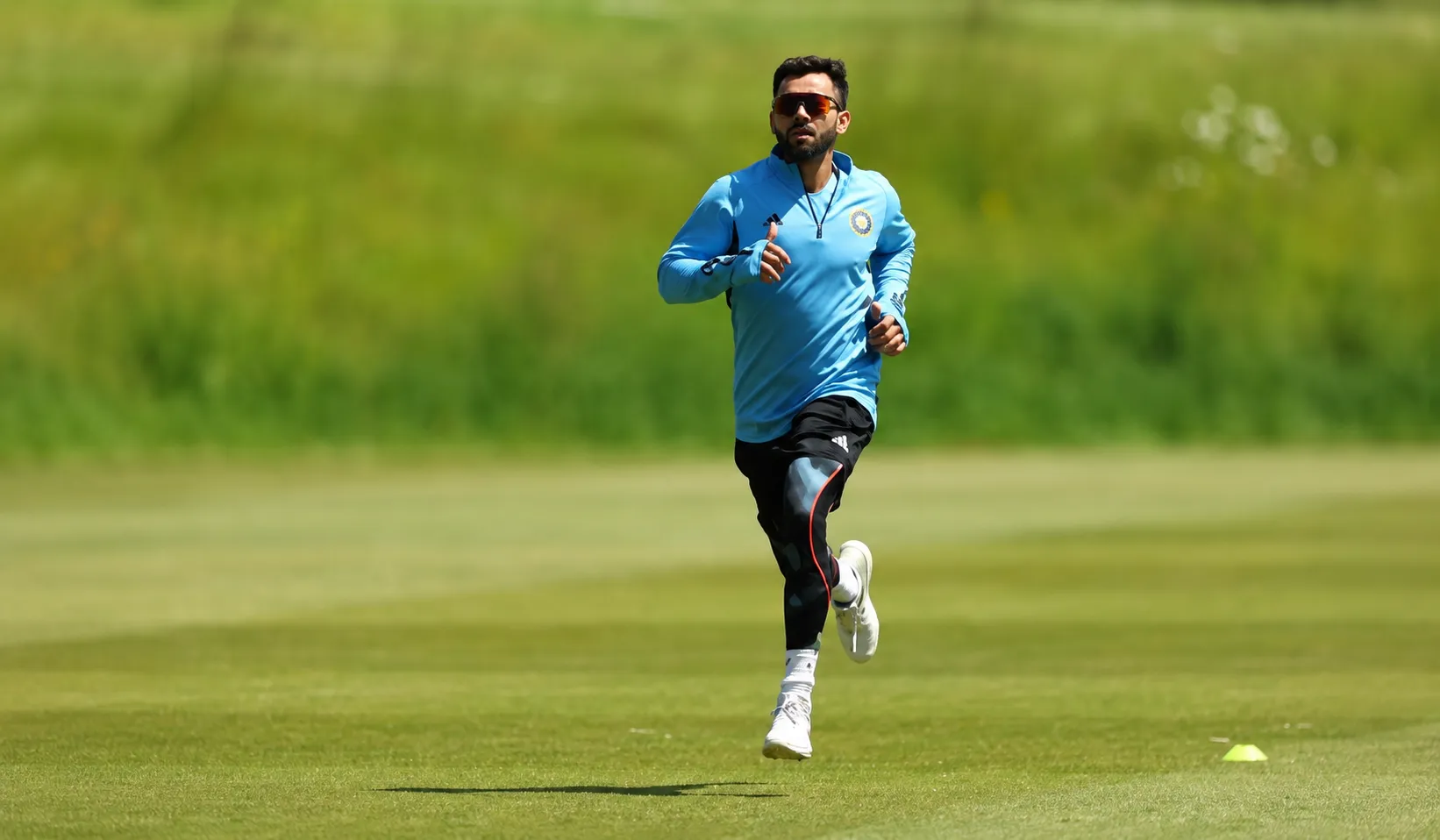
The goal is simple. Teams want players who can finish a match strong. A cricket fitness test shows how well a player can last. It also helps spot injury risks early.
Each format of cricket needs different fitness. Test cricket requires long-lasting stamina. T20 requires quick bursts of energy. One-day cricket requires both. This is why player fitness is now checked closely before selection.
A full fitness check often includes:
Endurance tests, like the Yo-Yo test
Strength checks, such as grip and core tests
Speed and agility tests, like short sprints
Flexibility tests like the sit-and-reach test
Every test highlights a different aspect of fitness. Taken together, they present the whole picture of the athlete.
Cricket fitness standards are simple targets. They come from years of data collected from real matches.
Fitness Benchmarks for Cricketers
Fitness benchmarks vary between cricket organizations and competition levels. Professional teams may use higher standards than club or junior cricket. Many organizations also use separate benchmarks for male and female players.
Cricket conditioning is not just running. Players also require strength for throwing and diving. They require quick turns while fielding. A good fitness standard includes:
Young players are not expected to match senior standards. But early testing still helps. At Playcric, we assess junior players using simple, age-appropriate methods.
The Yo-Yo Test Cricket is used for evaluating the endurance, recovery capacity, and continuous high-intensity running capacity of the players.
Two lines are set 20 meters apart. Players run between them. A beep sets the pace. The beep gets faster with each level. If a player misses the line twice, the test ends.
Different boards set different cutoffs. Some give extra time to players who fall short. This shows that fitness testing is about growth, not just pass or fail.
The result is shown as a level and shuttle number. For example, 17.4. A higher Cricket Yo-Yo test score means better fitness. Indian domestic players often score near 16.1. Many elite international players record Yo-Yo scores above 17, although expected scores vary by team and role.
The Cricket Fitness Tips Drills will assist cricketers in enhancing endurance, strength, speed, and body coordination.
Strength training builds power for throwing, batting, and bowling. Useful exercises include:
Agility drills help players turn fast and stay balanced. Ladder and cone drills are useful. With regular practice, they improve fielding speed in a few weeks.
Good planning for the week will include having a combination of long and short runs that are very fast. One can, for instance, consider doing one long run, two fast runs and one slow run in a week.
Gym workouts alone are not enough. Cricket training should copy match situations. For example, sprint hard right after bowling an over. Or run fast between wickets after facing several balls. At Playcric, we build our sessions around these real match patterns.
In order to get in good physical shape before participating in the fitness test, cricketers undergo an exercise program all throughout the year.
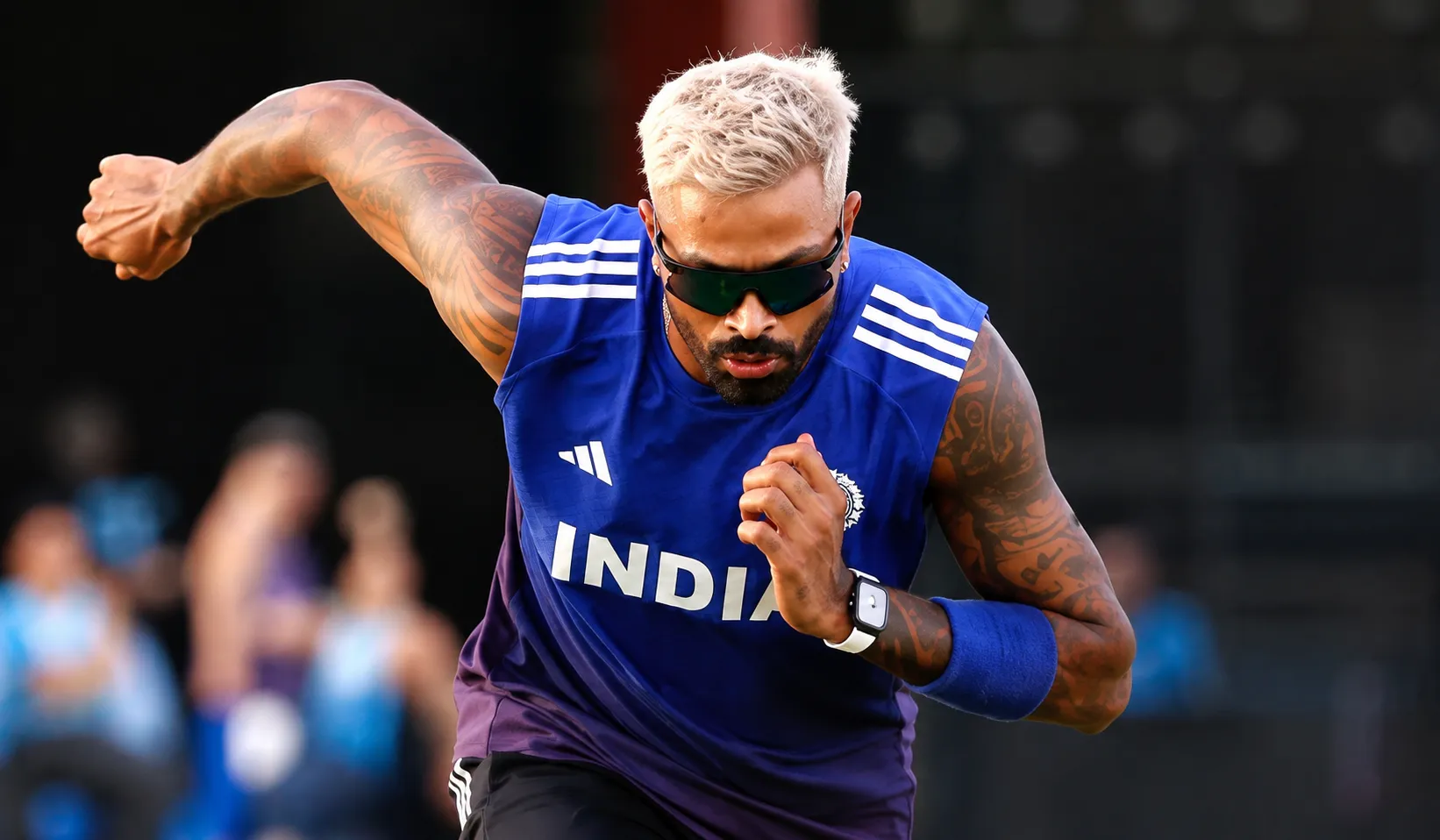
Most players follow an annual cricket training plan. Off-season time builds strength. Pre-season time builds speed and match fitness. In-season time focuses on rest and small maintenance work.
Cricket training usually mixes running, strength work, and stretching. Bowlers often get extra shoulder and back work. This lowers injury risk in fast bowling.
Recovery matters as much as training. Ice baths, physio sessions, and good sleep are common. Diet matters too. Players eat enough protein for muscle repair. They time carbs around hard training days.
Before a big series, teams often run mock match days. Players train hard, then take a fitness test right after. This helps the body adjust to fatigue before it truly matters.
Planning, training, and recovery are vital for cricket fitness tests. The players usually commit certain errors that impair their performance and result in testing.
Cricket players must identify their mistakes to perform effectively in tests, which may involve inadequate preparation, excessive training, and suboptimal technique.
Many players often start training just two weeks before the test, which is much too late for the body to properly adjust.
Skipping rest days often leads to fatigue and injuries close to test day. Improvement happens during rest, not just training.
Doing only slow, long-distance runs leaves gaps in fitness, since cricket also demands speed, power, and quick movement.
Training too hard without enough rest and recovery lowers results and often leaves players feeling physically flat on test day.
Start training at least eight weeks before the test to steadily and gradually build endurance, strength, and speed over time.
Schedule one full rest day every week to consistently keep the body ready through good sleep, hydration, and light mobility work.
Combining speed, strength, and endurance training together helps players progress faster and build well-rounded cricket fitness.
If tiredness lasts for several days in a row, reduce the training load instead of pushing through poor form and low energy.
To better your score for the cricket fitness test, you need to train and rest correctly, in addition to having a balance in terms of endurance, speed, strength, and agility development.
A balanced week has three running days, two strength days, one agility day, and one rest day. At Playcric, we adjust this plan based on each player’s current fitness level.
Interval running builds fitness fast. Start with short, fast bursts. Slowly add more distance each week. This method closely matches what the Yo-Yo test checks.
Short sprints combined with quick turns and agility exercises enhance both speed and agility. Conduct these drills early in training, when the legs are still fresh.
Stretching, foam rolling, and good sleep all help recovery. Skip these, and even a good training plan may not show results.
Each cricket role requires specific fitness levels, which is why a cricket fitness test is used to understand position-based demands and help players improve strength, endurance, speed, and performance through targeted training plans.
Focus zone: Maximum workload resilience and rapid recovery. All-rounders carry double the physical burden, requiring the highest VO2 max and aerobic engine to back up long batting innings immediately with a bowling spell.

This targeted movement combination strengthens and safeguards the shoulders, groin, and lower spine against combined batting, bowling, and fielding loads.
Coach recommendation: Schedule active recovery days between matches. Skipping recovery increases the risk of cumulative fatigue and overuse injuries.
Focus zone: Explosive power and shock absorption. Bowlers land with 10–12x their body weight in force, so they need a strong core, spine stability, and single-leg strength to protect the back and knees.
This targeted movement combination strengthens and safeguards the shoulders, groin, and lower spine against sport-specific strain
Coach recommendation: Build up workload gradually using GPS trackers, keeping the chronic-to-acute workload ratio between 0.8–1.3 to avoid lower back stress fractures.
Focus zone: Endurance, acceleration, and high cognitive focus. Batters must run high-intensity 20m shuttle sprints repeatedly after hours of fielding, needing quick acceleration, hamstring elasticity, and sharp focus while fatigued.

This targeted movement combination strengthens and safeguards the shoulders, groin, and lower spine against sport-specific strain
Coach recommendation: Build up workload gradually using GPS trackers, keeping the chronic-to-acute workload ratio between 0.8–1.3 to avoid lower back stress fractures.
A good Yo-Yo rating for a domestic cricket player in India is usually 16.1 and higher. For foreign players, it is typically 17. The necessary score might change, though, depending on the team and the position occupied.
They train all year with a clear, steady plan. They mix strength, running, and agility each week. Coaches track progress and adjust loads carefully. They test every 8–12 weeks to stay match-fit and avoid injuries.
Do squats, deadlifts, and planks regularly. Add short sprints, ladder drills, and shuttle runs. Combine gym work with cricket-style running. This builds speed, power, and stamina for long matches.
Test every 2–3 months during training. Regular checks show real progress over time. They help catch fatigue before it becomes an injury. Coaches then adjust runs, lifts, and rest before big matches.
Fitness plays a vital role in cricket. It contributes significantly to a player’s ability to run fast, bowl fast and field effectively. Fit players maintain effectiveness throughout the game and not just for the first hour.