
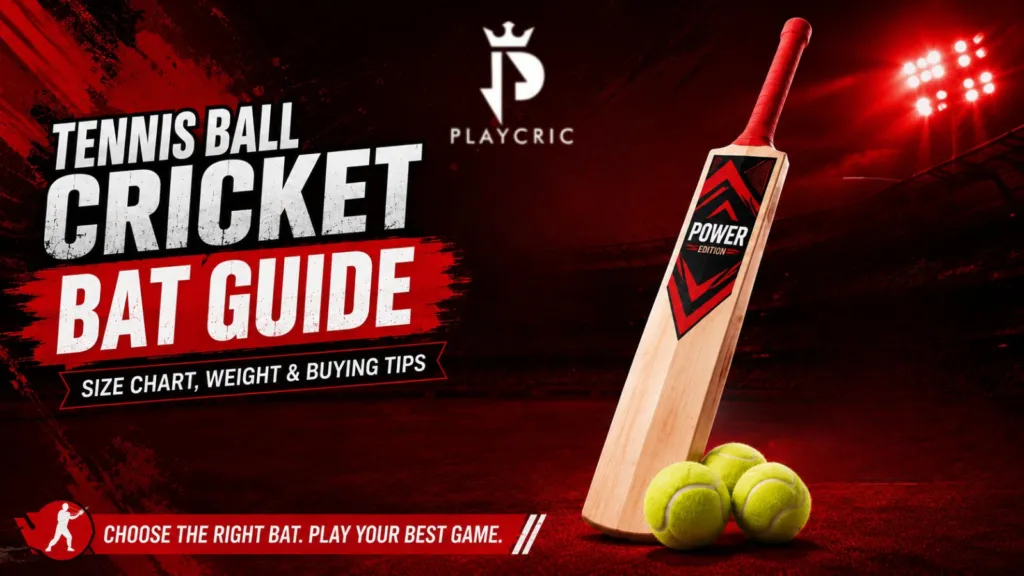
Tennis Cricket Bat: Complete Buying Guide for Beginners
Is a Heavier Tennis Cricket Bat Really a Bigger Six-Hitting Machine?
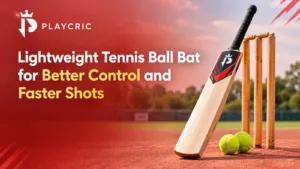
Grab any random Tennis cricket bat off a store shelf, and most buyers reach for the heaviest one first. That is an instinct which happens very naturally, yet it won’t favour you but be against your match. A hard tennis ball weighs just 125 to 150 grams, which is way lighter than a leather ball.
So the winning bat isn’t the heaviest option on the rack. Instead, it’s the bat that moves fastest through your swing arc. This guide breaks down what really matters using real charts. You will find size data and weight facts, so your next purchase fits your game properly.
Ever wonder why the “heaviest bat wins” rule doesn’t actually go well for tennis ball cricket? Playcric breaks it down.
What Makes a Tennis Cricket Bat Different
A tennis cricket bat is not a smaller leather-ball bat in disguise. Instead, it follows its own design rules from the ground up.
- The spine will be thinner, usually 35 to 45mm, compared to 60mm-plus which is on leather bats
- Manufacturers scoop wood from the back of the blade to cut weight
- This scooping spreads the sweet spot wider across the face
- Edges stay thick, often 45 to 55mm, to survive hard ball impact
Because the ball stays lighter, your bat needs speed more than raw mass. That single shift changes how craftsmen approach the entire build process.
Tennis Cricket Bat Size Chart
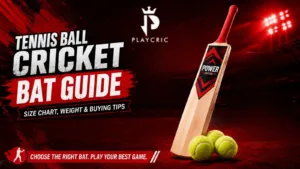
Getting the size right matters more than any other buying decision. Use this tennis cricket bat size chart to match your height correctly.
| Size | Player Height | Typical Age |
| Size 0 | Up to 4ft | 4–5 years |
| Size 2 | 4ft 3in–4ft 6in | 6–7 years |
| Size 4 | 4ft 9in–4ft 11in | 8–9 years |
| Size 6 | 5ft 2in–5ft 5in | 10–11 years |
| Harrow | 5ft 5in–5ft 8in | 11–13 years |
| Short Handle | 5ft 8in and above | 14+ years, adults |
Here’s a fast way to check yourself: stand the bat beside you. The handle top should land somewhere around your hip bone. If you crouch to meet it, the bat runs too long for your frame.
Tennis Cricket Bat Weight: What Counts as Normal
Tennis ball bat weight sits lower than leather-ball bat weight across every size. A proper adult bat usually will be under 1000gm, while standard leather bats run 1100 to 1250gm. Junior tennis bats scale down further, landing between 800gm and 1.1 kgs.
However, weight on a label doesn’t tell the whole story here. Two bats can share the same number yet feel completely different in hand. Players call that feeling pickup, and it matters more than the label. Scoop bats often pick up lighter than their listed weight suggests. So choose a light bat for your very first purchase. Heavier bats only reward players who already time the ball consistently well.
Choosing the Right Hard Tennis Ball Bat
Ball type changes what wood your bat needs, and skipping this step costs money later. Soft balls pair fine with poplar willow, since it stays light and affordable. A hard tennis ball bat, though, needs Kashmir willow or another hard-pressed wood.
Otherwise, the surface dents and splits fast under repeated hard hits. Heavier balls above 150gm call for bats built specifically for extra mass. Always check the listing before buying, because sellers often skip compatibility details entirely.
Kashmir Willow vs Poplar for Beginners
Kashmir willow gives beginners the best mix of strength and price. It handles daily hard-ball hitting without cracking under normal use. Poplar willow, meanwhile, works better for casual, soft-ball games where durability matters less. English willow belongs mostly to leather-ball cricket, so it rarely suits a tennis cricket bat build.
Where Plastic Bats Actually Belong
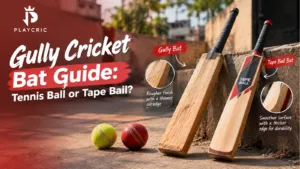
Plastic bats suit backyard games, school sessions, and soft-ball matches only. They crack quickly once hard tennis balls or tape balls enter the picture. If you pick plastic, choose HDPE or PP material over basic PVC. Beyond casual play, though, a Kashmir willow ball cricket bat lasts far longer.
Handle and Grip Considerations
Cane handles absorb shock well against a hard ball’s sting, so most tennis bats use them.A round as well as oval handle can simply depend on how your comfort level is. So try both of the options before you stick to one. With a thicker grip, it will reduce the vibration when you mishit, this will happen often on uneven surfaces.
Checklist
- Always match the length of bat to your height, not with your age
- Confirm hard-ball or soft-ball compatibility first
- Pick Kashmir willow if you play often
- Choose a lighter bat for your first purchase
- Test the handle and grip before buying
Conclusion
In short, to buy the correct tennis cricket bat is all about the matching size, the weight and the wood. Do not guess and buy for your matches. Use the charts above and choose one for your actual ball type. That small decision changes how every innings feels from your very first shot onward.
Enjoyed this deep dive into bats and buying tips? Come find more fun reads like this on our Playcric platform.
FAQs
- Can I use a leather-ball bat for tennis ball cricket?
You can, but it won’t perform well. The heavier build slows your swing against a lighter ball.
- Is Kashmir willow good enough for hard tennis ball cricket?
Yes, it handles hard-ball impact reliably and costs far less than English willow overall.
- Do scoop bats break more easily than regular bats?
Not usually. Scoop bats keep their edges and hitting face intact, since wood only leaves the back.
- What size tennis cricket bat should an adult buy?
Adults over 5ft 8in should pick a full-size Short Handle bat for the best fit.










2 Responses